State-Specific Licensing Rules Reshaping Bonus Structures for Mobile Table Games Across U
Written by Anna Wolf · Sep 6, 2026
State Licensing Mandates Driving Changes in Mobile Table Game Incentives
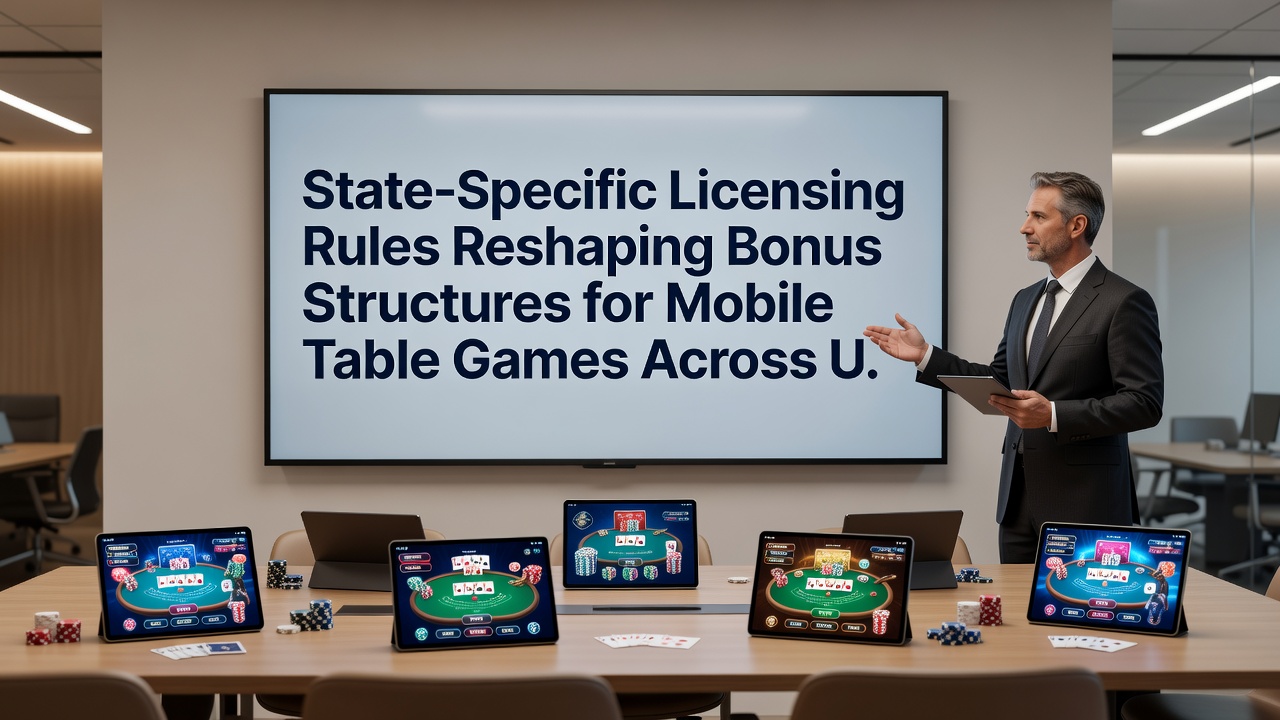
Regulatory frameworks in various states continue to influence how operators structure promotions for mobile table games including blackjack, roulette, and poker variants. Different licensing requirements across jurisdictions create distinct parameters for bonus eligibility, wagering contributions, and payout conditions that players encounter when accessing apps from regulated operators. New Jersey's Division of Gaming Enforcement maintains detailed guidelines that tie bonus promotions directly to game-specific contribution rates, whereas Pennsylvania's gaming control board applies broader caps on promotional value tied to overall mobile session volumes. These variations mean operators must adjust their offerings state by state to maintain compliance while still attracting users to live dealer and digital table products.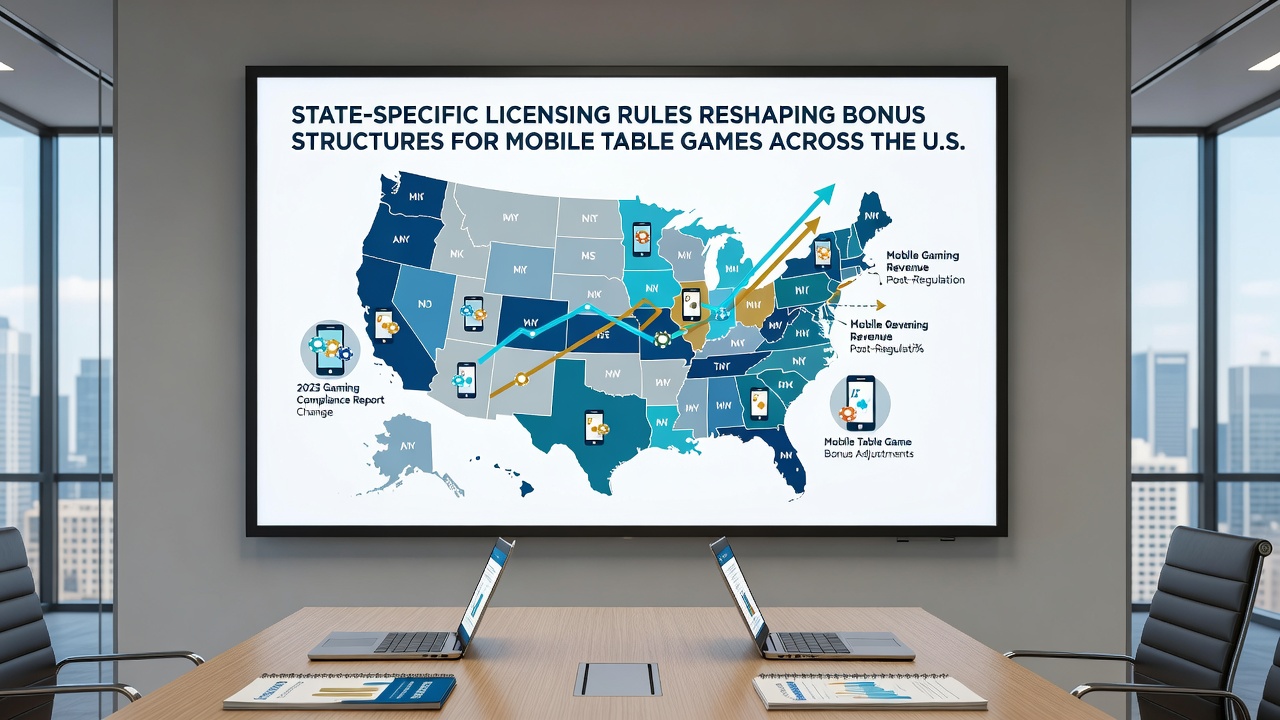
Regulatory frameworks in various states continue to influence how operators structure promotions for mobile table games including blackjack, roulette, and poker variants. Different licensing requirements across jurisdictions create distinct parameters for bonus eligibility, wagering contributions, and payout conditions that players encounter when accessing apps from regulated operators. New Jersey's Division of Gaming Enforcement maintains detailed guidelines that tie bonus promotions directly to game-specific contribution rates, whereas Pennsylvania's gaming control board applies broader caps on promotional value tied to overall mobile session volumes. These variations mean operators must adjust their offerings state by state to maintain compliance while still attracting users to live dealer and digital table products.Core Differences in State Licensing Approaches
Licensing rules in Michigan emphasize strict separation between bonus funds and table game playthrough requirements, which leads operators to exclude certain live dealer rounds from bonus clearing calculations entirely. In contrast, West Virginia's framework permits more flexible allocation of promotional credits across both slots and table games, provided operators submit detailed reporting on player activity patterns each quarter. Observers note that these distinctions force mobile platforms to maintain separate bonus engines for each state market. Data from industry tracking services shows that states with more granular licensing conditions tend to see operators reduce the percentage of bonus funds that count toward table game wagers. This adjustment occurs because regulators require higher proof of responsible play monitoring before allowing larger promotional pools.Effects on Bonus Structures for Mobile Table Games
Operators respond to these licensing differences by redesigning how welcome offers, reload bonuses, and loyalty rewards interact with table game selections. In states where licensing demands higher minimum wagering thresholds, mobile apps often display lower maximum bet limits when bonus funds remain active during blackjack or baccarat sessions. Players in those markets encounter more frequent prompts to switch to non-bonus play to access standard table limits. Research from regulatory filings indicates that states implementing updated mobile licensing standards in 2025 recorded measurable shifts in average bonus redemption rates for table games. The changes appear most pronounced in live dealer formats where real-time interaction with hosts adds layers of compliance tracking that offline casino bonuses never required.