State Variations in App Designs Driving Live Casino Preferences in Regulated American Markets
Written by Casey Hayes · Sep 20, 2026
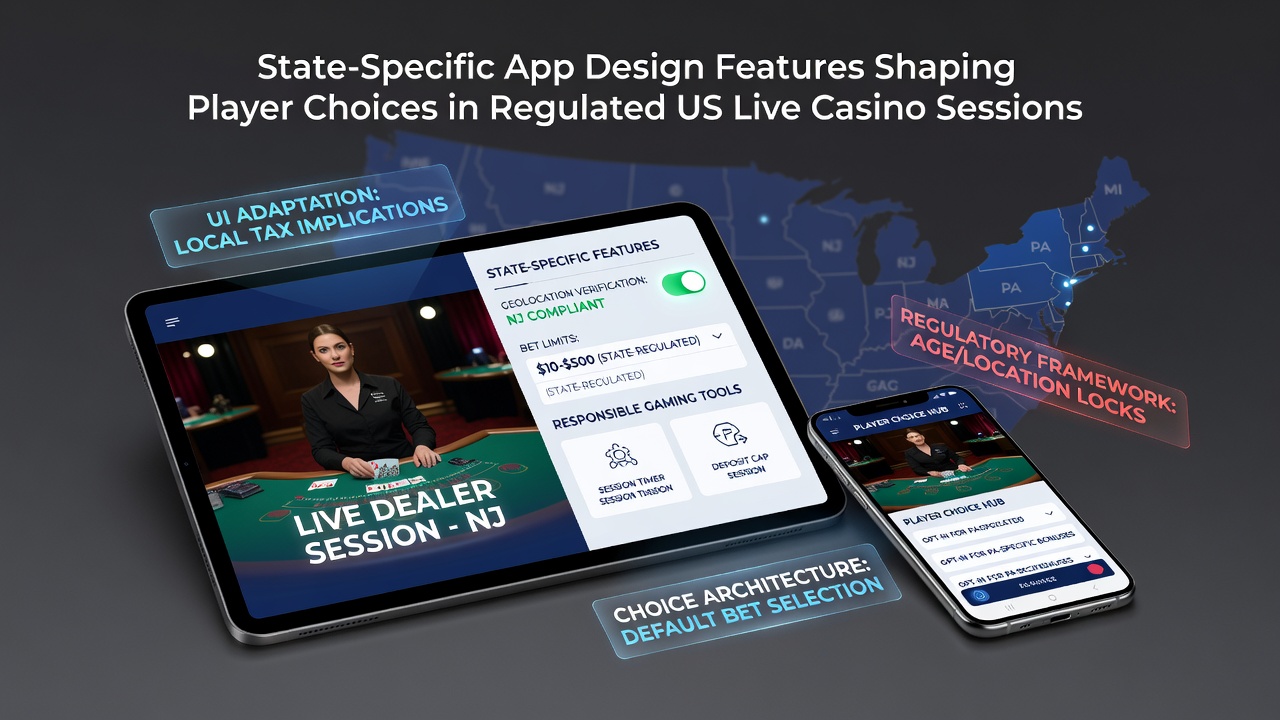
State Variations in App Designs Driving Live Casino Preferences in Regulated American Markets
App design elements in regulated US live casino platforms differ notably by jurisdiction, and these distinctions guide how players select games during live sessions. Data from state gaming commissions shows that interface layouts, navigation flows, and feature placements align with local licensing rules, which in turn influence session durations and table selections. Observers note that players in states with strict age verification protocols encounter additional confirmation screens before entering live dealer rooms, whereas those in jurisdictions with streamlined processes move directly to betting interfaces.
Interface Customizations by Jurisdiction
Developers adjust button placements, color schemes, and menu structures to match requirements from bodies such as the New Jersey Division of Gaming Enforcement and the Pennsylvania Gaming Control Board. Research indicates that New Jersey apps often feature prominent responsible gaming toggles near live blackjack tables, while Pennsylvania versions integrate loyalty point trackers more visibly during roulette sessions. These placements affect how quickly users locate preferred tables, with figures revealing shorter decision times in apps that cluster similar games together. In Michigan, where compact screen adaptations receive emphasis, horizontal scrolling for live baccarat options appears less frequently than vertical lists, and this layout choice correlates with higher retention rates during evening hours in September 2026 reports.
Payment Integration and Game Access Patterns
State rules on deposit methods shape where funding buttons sit within live session flows, and this positioning alters player entry points into tables. Apps licensed in Connecticut place digital wallet options immediately after login screens, which data shows reduces the steps needed to join live dealer blackjack rounds. By contrast, apps in West Virginia embed payment choices inside game lobbies, requiring users to navigate past promotional banners first. According to industry analyses from the University of Nevada, Reno gaming research group, these differences lead players to favor apps where payment steps remain minimal, especially when live sessions involve time-sensitive bonus rounds.
What's notable is how search and filter tools vary across state borders. Some platforms prioritize filters for dealer language or table speed, while others highlight minimum bet ranges based on local demographic data. Players using apps regulated in New York encounter default filters sorted by recent session volume, and this ordering steers selections toward higher-traffic tables during peak periods.
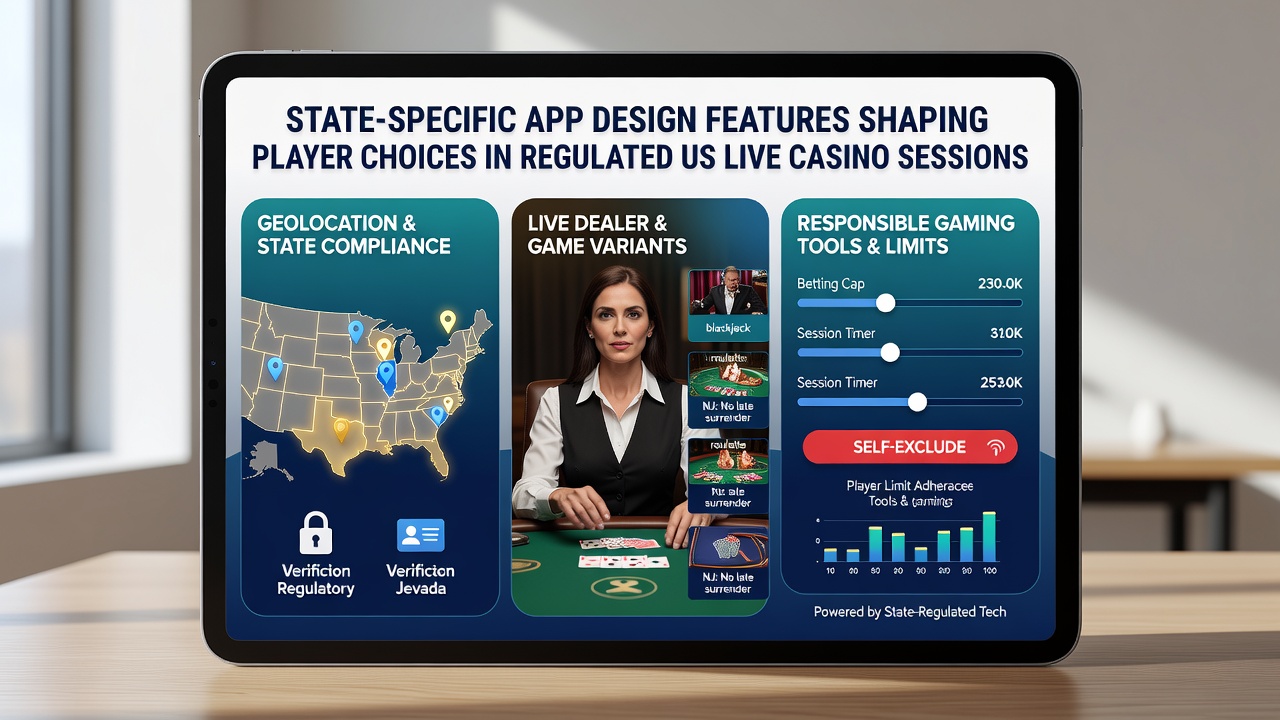
Notification and Alert Systems Tailored to Local Rules
Push notification timing and content reflect state-specific compliance standards, which in turn affect how players return to active live sessions. In Delaware, alerts about table openings arrive only during approved operating windows, and this restriction limits mid-session switches between games. Data compiled by the National Council on Problem Gambling shows that states permitting broader notification windows see more frequent table hopping, whereas restricted systems keep users focused on single dealers for longer stretches. App designers therefore embed state calendars into backend logic, ensuring alerts respect jurisdictional hours without manual user adjustments.
Live chat features also receive custom framing. Some states require disclaimers about game rules to appear before any interaction with dealers begins, and apps incorporate these as persistent banners rather than pop-ups. This design reduces interruptions during ongoing hands, and session logs indicate steadier betting patterns when disclaimers stay visible but non-intrusive.
Device-Specific Adaptations Across Regions
Screen size optimizations and gesture controls differ because hardware usage patterns vary by state population density. Rural areas show higher tablet usage, prompting designers to enlarge card displays in live poker apps for those markets. Urban centers record more smartphone sessions, leading to compact control clusters that fit smaller displays. Researchers at the University of Las Vegas found that these adaptations correlate with session completion rates, since mismatched interfaces prompt early exits before live rounds conclude.
Color contrast settings and font scaling options follow accessibility mandates that states enforce at different levels. Apps in California incorporate high-contrast modes more prominently after recent legislation updates, and player logs from September 2026 demonstrate increased participation among users who activate these modes during extended live sessions.
Conclusion
State-specific app design features continue to shape how regulated live casino sessions unfold across US markets. Layout choices, notification rules, payment placements, and device adaptations reflect local licensing frameworks, and available data links these elements directly to observed player behaviors in table selection and session length. As platforms evolve, the alignment between regulatory requirements and interface decisions remains central to how users navigate live dealer environments in authorized jurisdictions.